

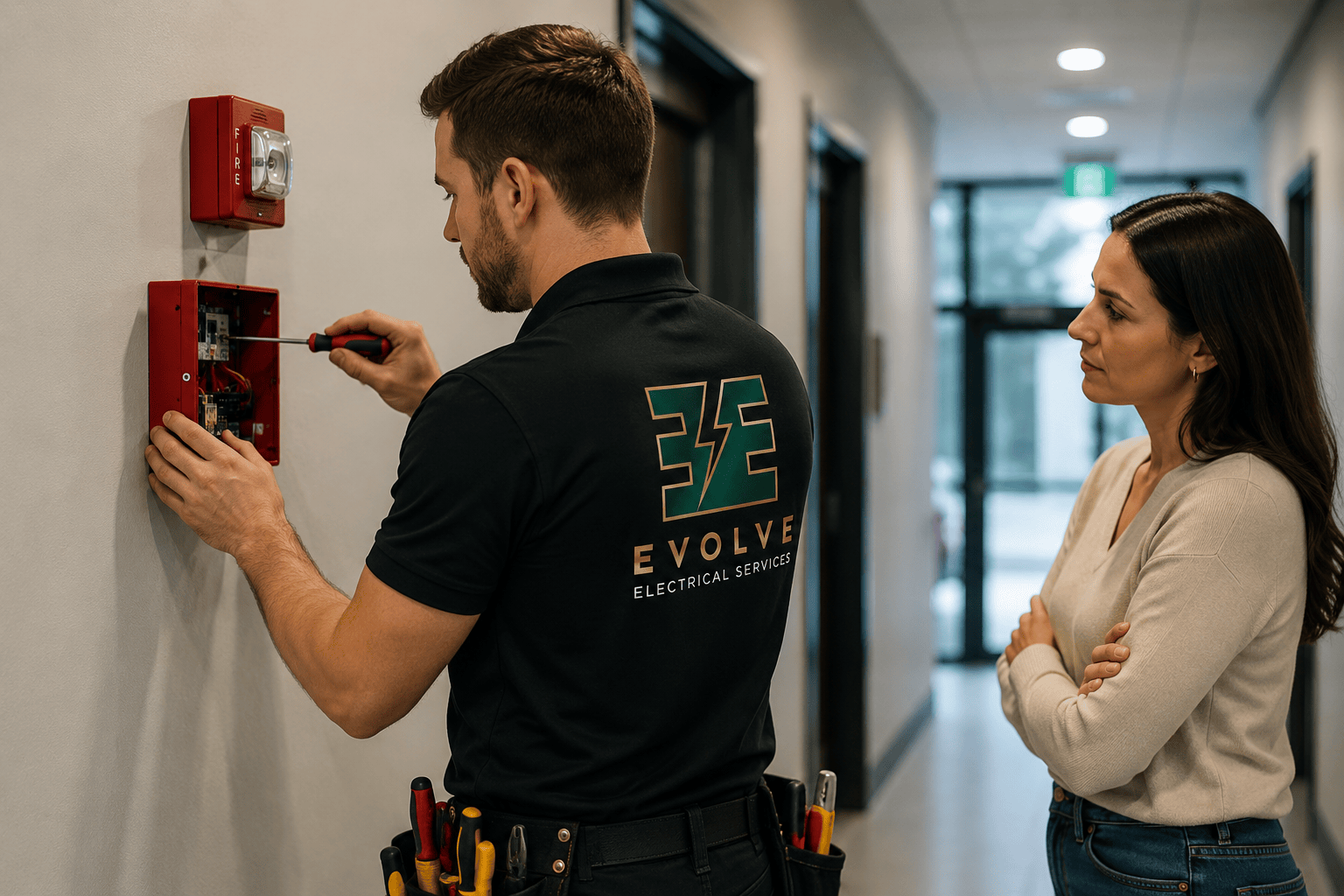
Fire safety is one of those things that many property owners only think about after an emergency or during a renovation. However, waiting until a problem arises can put lives, property, and businesses at unnecessary risk. Whether you own a home, manage a commercial building, or oversee a multi-unit property, understanding the essentials of Fire Alarm System Installation in Calgary can help you make informed decisions before work begins.
Modern fire alarm systems do much more than sound a loud siren. They detect smoke, heat, or fire conditions early, notify occupants, communicate with monitoring stations, and support faster emergency response. With Calgary’s diverse residential communities, commercial facilities, and changing building requirements, choosing the right system involves more than simply purchasing smoke detectors.
This guide explains everything you should know before planning a fire alarm installation, including system selection, inspections, common mistakes, maintenance, and expert recommendations based on real-world experience.
A fire can spread through a property in just minutes. Early detection often becomes the difference between a minor incident and a devastating loss.
An effective fire alarm system helps:
Whether installing a new system or upgrading an older one, every decision should prioritize occupant protection rather than simply meeting minimum requirements.
Fire alarm installation involves designing, installing, testing, and commissioning interconnected devices that work together to detect fire-related hazards.
A complete system may include:
Every building has unique risks, meaning one solution rarely fits every situation.
Every property presents different challenges.
Factors affecting Fire Alarm System Installation in Calgary include:
Professional planning helps avoid unnecessary modifications later while ensuring the system performs reliably for years.
Homeowners often assume installing smoke alarms alone provides adequate protection. In reality, today’s residential systems offer much greater safety.
Modern residential systems can provide:
Families with children, elderly residents, or larger homes especially benefit from comprehensive fire detection rather than relying on standalone alarms.
A properly designed residential system provides peace of mind even when homeowners are away from the property.
Commercial environments face unique safety challenges because they often involve:
This is why commercial fire alarm installation Calgary requires careful planning based on occupancy type, operational risks, and building layout.
Businesses benefit from systems that integrate with:
Well-designed systems also reduce downtime following emergencies by providing accurate alarm information.
Fire alarms are only one part of larger fire safety systems.
A comprehensive strategy typically includes:
Each component works together to improve occupant safety during emergencies.
Rather than viewing alarms as standalone equipment, experienced professionals consider the complete fire protection ecosystem.
Not every property requires the same equipment.
Several factors influence system selection.
Larger buildings require more detection devices and zoning.
Residential buildings differ significantly from offices, schools, healthcare facilities, and warehouses.
Installing scalable systems can reduce upgrade costs later.
Dust, humidity, cooking fumes, and industrial environments influence detector selection.
Some owners prefer monitored systems that notify emergency services automatically.
Selecting equipment based solely on price often leads to performance issues later.
Qualified security and fire alarm systems installers contribute much more than equipment installation.
Experienced installers help with:
Proper installation significantly reduces nuisance alarms while improving detection reliability.
Many people focus on installation but overlook ongoing inspections.
Regular fire alarm inspection Calgary services help verify that systems continue operating correctly.
Inspections commonly include:
Routine inspections identify developing problems before they become critical failures during an emergency.
Consider a commercial office where a smoke detector gradually becomes covered with construction dust during renovations.
Without inspection:
Routine inspections would identify this issue long before it affects building safety.
This example illustrates why installation alone is never the final step.
Technology evolves over time.
Eventually, every system reaches the point where repairs become less practical than replacement.
Common reasons for fire alarm replacement Calgary include:
Replacing outdated systems often improves reliability while supporting newer technologies and easier maintenance.
Many costly mistakes occur before installation even begins.
Low-cost equipment may lack reliability, expandability, or long-term support.
Buildings often expand.
Installing systems with limited capacity may require expensive upgrades later.
Incorrect placement reduces detection effectiveness and increases nuisance alarms.
Even high-quality systems require regular testing.
Ignoring maintenance increases long-term risks.
Different occupancies require different approaches.
Customized planning produces better results.
Renovations present an excellent opportunity to improve fire protection.
Many building owners choose to upgrade systems while:
Installing fire alarm equipment during renovations often reduces labor costs compared to retrofitting after construction finishes.
Modern systems now include features such as:
These advancements improve both safety and maintenance efficiency.
Before scheduling installation, consider these recommendations.
Evaluate:
Every property presents different fire risks.
Adding capacity now often costs far less than replacing equipment later.
Meeting minimum standards may not provide optimal protection.
Additional detectors in vulnerable areas often improve overall safety.
Choose equipment with strong manufacturer support and readily available replacement parts.
Even the best alarm system becomes less effective if occupants ignore alarms or fail to understand evacuation procedures.
Focus on:
Require:
Emphasize:
May require:
Every environment requires a tailored approach.
Smoke alarms are important but may not provide complete building protection.
Integrated systems offer broader detection and notification capabilities.
Frequent false alarms usually indicate maintenance issues, improper installation, or incorrect detector selection.
Regular inspections, testing, and maintenance remain essential throughout the system’s lifespan.
Professionals who install fire alarm systems regularly often observe similar patterns among successful property owners.
They typically:
These practices significantly improve long-term system performance while reducing unexpected repair costs.
For commercial buildings, fire alarms do more than protect lives.
Reliable systems help:
Businesses that invest in proactive fire protection often recover faster after unexpected incidents.
Technology continues advancing rapidly.
Emerging trends include:
These innovations improve reliability while simplifying long-term maintenance.
Investing in Fire Alarm System Installation in Calgary is about far more than installing detectors or complying with regulations. A thoughtfully designed system protects families, employees, customers, and valuable property by detecting fire hazards early and supporting a faster emergency response.
Whether you’re planning Residential Fire Alarm Installation in Calgary, upgrading an aging system, considering commercial fire alarm installation Calgary, scheduling a fire alarm inspection Calgary, or evaluating fire alarm replacement Calgary, careful planning and informed decisions make a significant difference. By understanding your building’s unique needs, selecting appropriate equipment, working with experienced professionals, and committing to regular maintenance, you create a safer environment that delivers reliable protection for years to come.
The right system depends on your building’s size, occupancy, layout, fire risks, and future plans. A detailed site assessment helps determine the appropriate combination of smoke detectors, heat detectors, notification devices, and monitoring features. Residential properties typically have different requirements than commercial or industrial facilities.
Fire alarm systems can experience wear, dust buildup, battery degradation, wiring issues, or equipment faults over time. Routine inspections verify that every component operates correctly, reducing the risk of failures or false alarms during an actual emergency. Preventive maintenance also extends the system’s lifespan.
In some cases, yes. If existing equipment remains compatible with newer technology, selective upgrades may be possible. However, when control panels become obsolete or replacement parts are no longer available, a complete system replacement often provides better reliability, easier maintenance, and improved long-term value.
Common mistakes include choosing equipment based solely on price, overlooking future building expansion, installing detectors in unsuitable locations, delaying inspections, and assuming every property requires the same type of system. A customized design based on the building’s specific risks produces much better results.
Testing frequency depends on the building type, occupancy, and applicable safety requirements. Most properties benefit from scheduled inspections, routine functional testing, battery checks, detector cleaning, and periodic system verification. Consistent maintenance ensures the system remains dependable throughout its service life.

Evolve Electrical Services is a reputable company providing electrical requirements for your residence or workplace and also industrial needs. We offer an extensive selection of electrical services and always go above and beyond for our clients.


